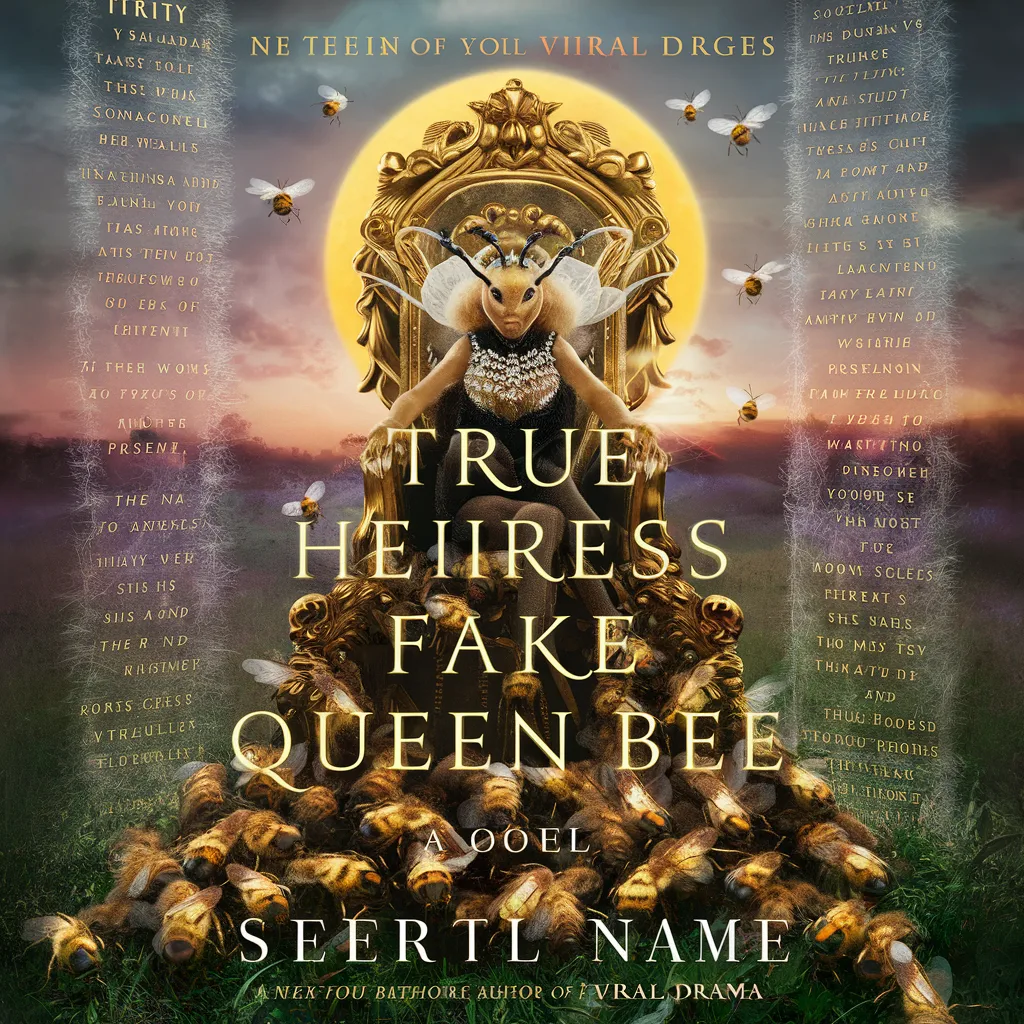
In the fast-moving world of social media, new phrases and trends emerge almost daily, capturing the attention of millions and sparking endless discussions. One such phrase that has recently taken the internet by storm is “True Heiress Fake Queen Bee.” At first glance, it sounds like a line from a drama series or a cryptic lyric, but its meaning runs deeper than it appears. The phrase has become a symbol of authenticity versus pretense, wealth versus image, and truth versus illusion in the digital age. As influencers, celebrities, and everyday users adopt the term, it has evolved into a cultural commentary on how people present themselves online. This article explores the origins, interpretations, and significance of “True Heiress Fake Queen Bee,” uncovering why it resonates so strongly with modern audiences.
The Origins of “True Heiress Fake Queen Bee”
The phrase “True Heiress Fake Queen Bee” first gained traction on social media platforms like TikTok, Twitter, and Instagram, where users began using it to describe situations involving authenticity and deception. The term “True Heiress” refers to someone who possesses genuine qualities whether that be wealth, confidence, or inner strength while “Fake Queen Bee” represents someone who projects power or popularity without truly embodying it.
Although the exact origin of the phrase is unclear, it quickly became associated with online discussions about social hierarchies, influencer culture, and the difference between real success and performative status. In many ways, it reflects the growing awareness among internet users that not everything online is as it seems. The phrase encapsulates the tension between those who quietly hold real value and those who loudly perform superiority for attention.
The Meaning Behind the Phrase
At its core, “True Heiress Fake Queen Bee” is about authenticity versus illusion. The “True Heiress” symbolizes someone who doesn’t need to prove their worth because it is inherent they are confident, grounded, and self-assured. The “Fake Queen Bee,” on the other hand, represents individuals who build their identity on external validation, often relying on appearances, social media clout, or manipulation to maintain influence.
This contrast mirrors real-world dynamics in workplaces, schools, and online communities, where people often encounter individuals who project confidence or authority without substance. The phrase has become a shorthand for calling out inauthentic behavior while celebrating those who remain genuine despite external pressures. It resonates deeply in a time when social media often blurs the line between reality and performance.
The Cultural Impact of “True Heiress Fake Queen Bee”
The popularity of “True Heiress Fake Queen Bee” reflects a broader cultural shift toward valuing authenticity. In an era dominated by influencers, curated lifestyles, and digital personas, audiences are becoming more discerning about what is real and what is staged. The phrase has been used in memes, captions, and even fashion statements to highlight this divide.
For example, users might post a photo of themselves with the caption “True Heiress energy” to convey confidence and self-worth, while using “Fake Queen Bee” to describe someone who thrives on superficial validation. The phrase has also inspired discussions about gender dynamics, social competition, and the pressures of maintaining an image in the digital world. It serves as both a critique and a celebration a critique of performative culture and a celebration of genuine individuality.
The Psychology Behind the Trend
The fascination with “True Heiress Fake Queen Bee” can also be understood through psychology. Humans are naturally drawn to social hierarchies and status symbols, and social media amplifies these instincts. The “Fake Queen Bee” archetype represents the desire for dominance and recognition, often achieved through manipulation or image control. The “True Heiress,” however, embodies quiet confidence and self-assurance, qualities that are increasingly admired in a world saturated with noise and competition.
This dynamic reflects the ongoing struggle between authenticity and performance in modern identity. People are beginning to reject the idea that success must be loud or performative. Instead, they are embracing the notion that true power lies in self-awareness, integrity, and emotional intelligence. The phrase “True Heiress Fake Queen Bee” captures this evolution perfectly, offering a language for people to express their values in a relatable way.
How the Phrase Is Used Online
Across social media, “True Heiress Fake Queen Bee” has taken on multiple interpretations depending on context. Some use it humorously to describe social situations like calling out a friend who acts superior but lacks substance while others use it seriously to discuss authenticity and self-worth. The phrase has also inspired creative content, including short videos, digital art, and even music inspired by its themes.
Influencers and content creators have adopted the phrase to brand themselves as “True Heiresses,” emphasizing authenticity and transparency in their online presence. Meanwhile, critics use “Fake Queen Bee” to describe the performative nature of influencer culture, where image often outweighs reality. This dual usage has made the phrase versatile and enduring, allowing it to adapt to different conversations and communities.
The Broader Message of “True Heiress Fake Queen Bee”
Beyond its viral appeal, “True Heiress Fake Queen Bee” carries a powerful message about self-perception and societal values. It challenges the notion that popularity or visibility equates to worth. Instead, it encourages individuals to cultivate inner strength, authenticity, and humility. The phrase reminds people that true confidence doesn’t need validation it speaks for itself.
In a world where social media often rewards exaggeration and performance, the idea of being a “True Heiress” serves as a counterbalance. It promotes the idea that real success is quiet, grounded, and self-sustaining. The “Fake Queen Bee,” while temporarily admired, ultimately represents the fragility of image-based identity. This contrast has made the phrase a rallying cry for those who value substance over spectacle.
Conclusion
The phrase “True Heiress Fake Queen Bee” has evolved from a viral trend into a cultural statement about authenticity, identity, and power. It captures the essence of modern life, where appearances often overshadow reality, and reminds us of the importance of staying true to ourselves. Whether used humorously or seriously, the phrase resonates because it speaks to a universal truth: genuine confidence and integrity will always outshine superficiality. As social media continues to shape how people express themselves, “True Heiress Fake Queen Bee” stands as both a critique of performative culture and a celebration of authenticity in its purest form.
FAQs
1. What does “True Heiress Fake Queen Bee” mean?
It refers to the contrast between genuine authenticity (“True Heiress”) and performative superiority (“Fake Queen Bee”), often used to describe real versus fake confidence or success.
2. Where did the phrase originate?
The phrase gained popularity on social media platforms like TikTok and Twitter, where users used it to discuss authenticity and image culture.
3. What does “True Heiress” symbolize?
“True Heiress” represents someone who is genuinely confident, self-assured, and authentic without needing external validation.
4. What does “Fake Queen Bee” symbolize?
“Fake Queen Bee” refers to someone who projects power or popularity but lacks genuine substance or integrity.
5. Why has the phrase become so popular?
It resonates with audiences who are increasingly aware of the difference between real and performative behavior, especially in online spaces.
6. How is the phrase used online?
People use it in captions, memes, and discussions to highlight authenticity, call out fake behavior, or celebrate genuine confidence.
7. Is “True Heiress Fake Queen Bee” related to any specific person or event?
No, it’s a general phrase that has been adopted across different contexts to describe social dynamics and authenticity.
8. What is the message behind the phrase?
It encourages people to value inner strength, honesty, and self-awareness over superficial appearances or social status.
9. Can the phrase apply outside of social media?
Yes, it can describe real-life situations where authenticity and pretense clash, such as in workplaces, friendships, or communities.
10. Why does “True Heiress Fake Queen Bee” matter today?
It reflects a growing cultural shift toward valuing authenticity and integrity in a world increasingly dominated by image and performance.