In the world of Italian gastronomy, pasta is more than just food—it is a cultural symbol, a craft, and a passion passed down through generations. Among the many tools that have shaped the evolution of pasta making, the tortellinatrice stands out as a masterpiece of culinary engineering. This machine, designed specifically for producing tortellini, represents the perfect harmony between tradition and technology. The tortellinatrice allows chefs, artisans, and manufacturers to create perfectly shaped tortellini with precision, speed, and consistency, all while preserving the authenticity of Italy’s most beloved filled pasta. Understanding what a tortellinatrice is, how it works, and why it has become indispensable in both artisanal and industrial kitchens reveals how innovation continues to honor the timeless art of Italian cooking.
What Is a Tortellinatrice? The Machine That Perfects Italian Tortellini
A tortellinatrice is a specialized pasta-making machine designed to produce tortellini—small, ring-shaped pasta filled with a variety of ingredients such as cheese, meat, or vegetables. The machine automates the process of shaping, filling, and sealing the pasta, ensuring that each piece is uniform in size and perfectly closed to prevent leakage during cooking. The tortellinatrice can be adjusted to accommodate different dough thicknesses and filling types, making it a versatile tool for both small artisanal pasta shops and large-scale food manufacturers. Its precision and efficiency have made it an essential part of modern Italian kitchens, where maintaining quality and authenticity is as important as meeting production demands.
How the Tortellinatrice Revolutionized Pasta Production
Before the invention of the tortellinatrice, making tortellini was a time-consuming and labor-intensive process that required skilled hands and meticulous attention to detail. Each tortellino had to be rolled, filled, and folded manually, often taking hours to produce a single batch. The introduction of the tortellinatrice revolutionized this process by automating repetitive tasks while preserving the artistry of traditional pasta making. The machine’s precision ensures that every tortellino is identical in shape and texture, resulting in consistent cooking and presentation. This innovation not only increased production efficiency but also made fresh tortellini more accessible to consumers worldwide. By combining craftsmanship with technology, the tortellinatrice has allowed Italian cuisine to maintain its authenticity while adapting to modern culinary demands.
The Benefits of Using a Tortellinatrice in Professional Kitchens
For professional chefs and pasta producers, the tortellinatrice offers numerous advantages that go beyond convenience. One of its greatest benefits is consistency—each tortellino produced by the machine is perfectly shaped, evenly filled, and sealed with precision. This uniformity ensures even cooking and enhances the visual appeal of the dish. The machine also significantly reduces production time, allowing kitchens to meet high demand without compromising quality. Additionally, the tortellinatrice minimizes waste by using dough and filling efficiently, which is both cost-effective and environmentally friendly. Many modern models are designed with easy-to-clean components and adjustable settings, making them suitable for a wide range of recipes. In essence, the tortellinatrice empowers chefs to focus on creativity and flavor while the machine handles the technical precision of pasta formation.
Tortellinatrice vs. Handmade Pasta: Balancing Tradition and Technology
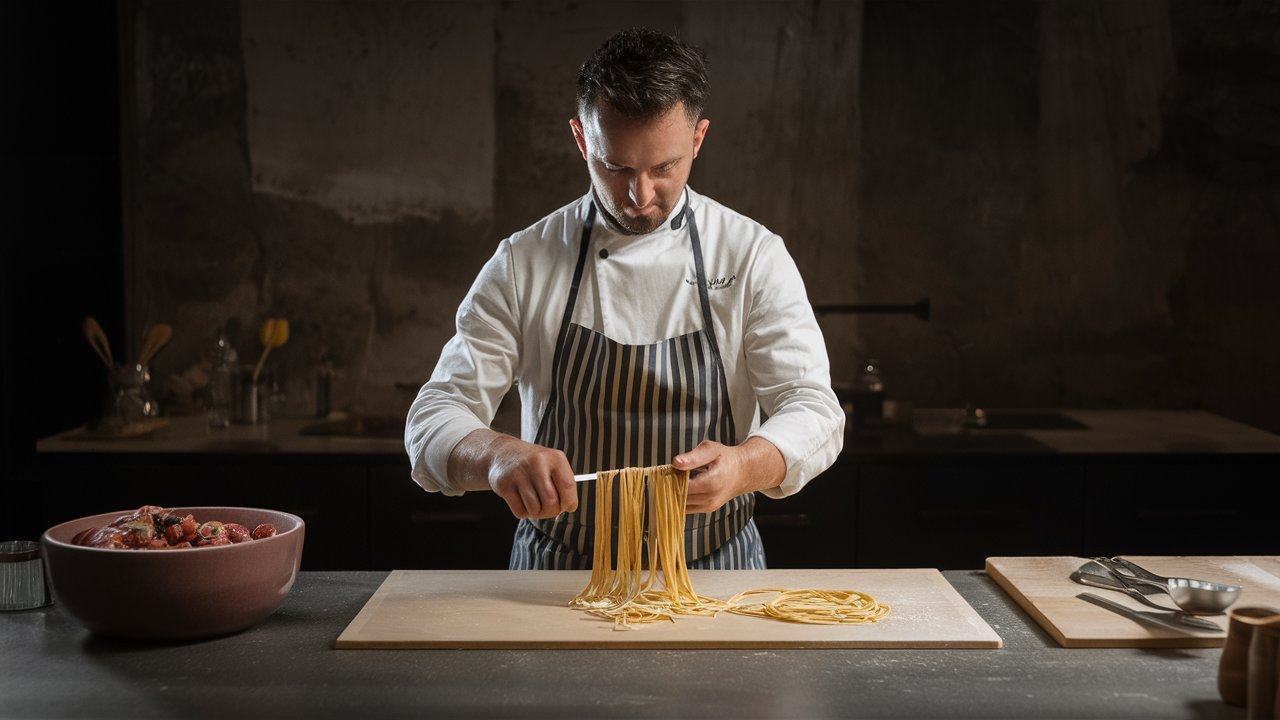
The debate between handmade pasta and machine-made pasta is one that continues to inspire passionate discussions among chefs and food lovers. Handmade tortellini carry the charm of artisanal craftsmanship, where each piece reflects the skill and care of the maker. However, the tortellinatrice brings a new dimension to this tradition by ensuring precision, speed, and scalability. Rather than replacing human artistry, the machine complements it—allowing chefs to maintain traditional recipes while meeting modern production needs. The key difference lies in the process: handmade pasta relies on manual dexterity, while the tortellinatrice uses mechanical precision to replicate the same results on a larger scale. Many Italian kitchens now use both methods, reserving handmade techniques for special dishes and relying on the tortellinatrice for daily production. This balance between tradition and technology ensures that the soul of Italian cuisine remains intact while embracing the benefits of innovation.
Choosing the Right Tortellinatrice: Features, Types, and Maintenance Tips
Selecting the right tortellinatrice depends on the scale of production and the specific needs of the kitchen. Small restaurants and artisanal pasta shops often prefer compact, semi-automatic models that allow for manual control and customization. Larger manufacturers, on the other hand, invest in fully automated machines capable of producing thousands of tortellini per hour. When choosing a tortellinatrice, key features to consider include adjustable filling systems, interchangeable molds, stainless steel construction, and ease of cleaning. Regular maintenance is crucial to ensure longevity and hygiene—components should be cleaned after each use, and moving parts should be lubricated periodically. Investing in a high-quality tortellinatrice not only improves efficiency but also guarantees consistent results that uphold the standards of authentic Italian cuisine.
Conclusion
The tortellinatrice is more than just a machine—it is a symbol of how innovation can preserve and enhance tradition. By combining the precision of modern engineering with the artistry of Italian pasta making, it has transformed the way tortellini are produced around the world. The machine’s ability to deliver consistency, efficiency, and quality has made it an indispensable tool in both artisanal and industrial kitchens. Yet, despite its technological sophistication, the tortellinatrice remains deeply rooted in the values of Italian culinary heritage—passion, craftsmanship, and excellence. As the demand for authentic, high-quality pasta continues to grow, the tortellinatrice stands as a testament to the enduring power of tradition meeting technology in perfect harmony.
Frequently Asked Questions
1. What is a tortellinatrice used for?
A tortellinatrice is a pasta-making machine designed to produce tortellini efficiently by automating the processes of shaping, filling, and sealing the pasta.
2. Can a tortellinatrice make other types of pasta?
Some advanced models can be adapted to produce other filled pasta varieties such as ravioli, cappelletti, or agnolotti by changing molds and settings.
3. Is the tortellinatrice suitable for small restaurants?
Yes, there are compact and semi-automatic versions ideal for small restaurants or artisanal pasta shops that want to maintain quality while increasing production.
4. How do you maintain a tortellinatrice?
Regular cleaning after each use, proper lubrication of moving parts, and periodic inspection of components are essential for maintaining performance and hygiene.
5. Does machine-made tortellini taste different from handmade?
When high-quality ingredients and traditional recipes are used, machine-made tortellini can taste just as authentic as handmade versions, with the added benefit of consistency and precision.