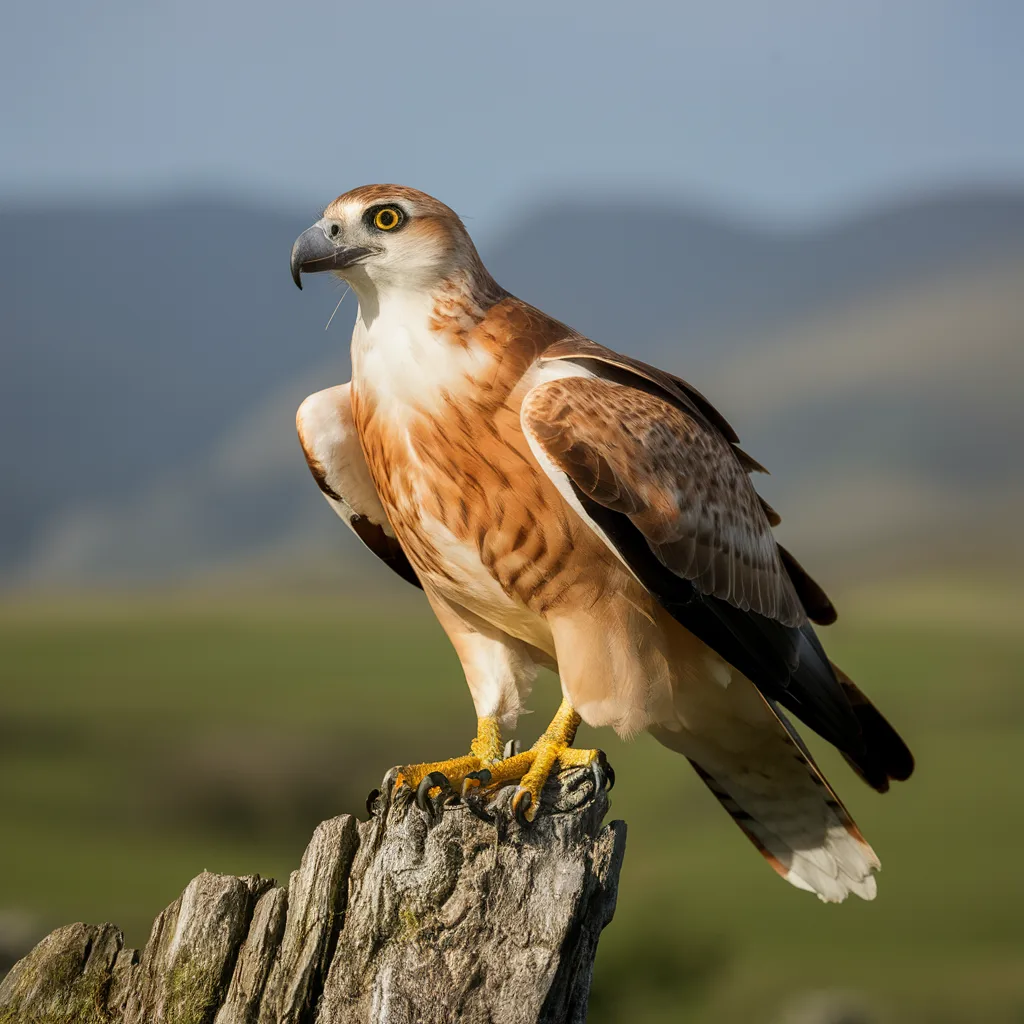
Red Kite Day is a special occasion dedicated to celebrating one of the most graceful and iconic birds of prey in the world the red kite. Known for its distinctive forked tail, reddish-brown plumage, and elegant soaring flight, the red kite has become a powerful symbol of wildlife conservation success, particularly in parts of Europe where the species was once close to extinction. is observed to raise awareness about the bird’s history, its ecological importance, and the conservation efforts that helped bring it back from the brink. This day is not only for birdwatchers and conservationists but also for families, students, and nature lovers who want to learn more about biodiversity and the importance of protecting wildlife for future generations.
The History and Origins of Red Kite Day
Red Kite Day emerged as part of broader wildlife awareness initiatives aimed at highlighting the dramatic decline and eventual recovery of the red kite population. Historically, red kites were widespread across Europe and commonly seen gliding over countryside landscapes and rural towns. However, due to persecution, poisoning, habitat loss, and changes in farming practices, their numbers fell drastically during the 19th and early 20th centuries. In some regions, the species was pushed to the edge of extinction, surviving only in a few isolated areas. was established to commemorate the efforts of conservation organizations, volunteers, and researchers who worked tirelessly to protect nesting sites, reintroduce birds into suitable habitats, and educate the public about coexistence with wildlife. Today, the day serves as a reminder of how human action can both harm and heal the natural world.
The Meaning of Red Kite Day in Modern Conservation
The meaning of Red Kite Day goes beyond celebrating a single species. It represents hope, responsibility, and the power of conservation when supported by science and public awareness. Red kites play an important role in ecosystems as scavengers, helping to clean the environment by feeding on carrion and reducing the spread of disease. By focusing on Red Kite Day, conservationists emphasize how protecting one species can benefit entire ecosystems. The day also encourages reflection on how attitudes toward birds of prey have changed over time, shifting from fear and misunderstanding to appreciation and protection. This broader message makes Red Kite Day relevant not only to environmentalists but also to educators, policymakers, and local communities.
How Red Kite Day Is Celebrated Around the World
Red Kite Day celebrations vary depending on location, but they often include birdwatching events, guided nature walks, educational workshops, and school programs. Wildlife organizations frequently use the day to share research updates, population data, and conservation success stories through talks and online campaigns. In areas where red kites are commonly seen, communities may organize outdoor activities that allow people to observe these birds in their natural habitat while learning how to identify them safely and responsibly. Social media also plays a growing role in, with photos, videos, and personal experiences helping to spread awareness globally. These celebrations make the day engaging, educational, and accessible to people of all ages.
The Role of Red Kite Day in Environmental Education
Education is a core component of, as the event provides an opportunity to teach children and adults about biodiversity, food chains, and the balance of ecosystems. Schools often use as a theme for science lessons, creative projects, and outdoor learning experiences. By focusing on a visually striking and easily recognizable bird, educators can spark curiosity and foster a deeper connection with nature. also highlights the importance of responsible land use, sustainable farming practices, and the long-term benefits of protecting wildlife habitats. This educational impact helps ensure that conservation values are passed on to future generations.
Why Red Kite Day Still Matters Today
Even though red kite populations have recovered in many regions, remains highly relevant. Ongoing threats such as habitat fragmentation, illegal poisoning, and climate change continue to pose risks to birds of prey. reminds the public that conservation is not a one-time achievement but an ongoing commitment. It also serves as inspiration for protecting other endangered species that may not yet have their own success stories. By keeping visible and meaningful, conservation groups maintain momentum and public support for wildlife protection initiatives.
Conclusion
Red Kite Day is more than a celebration of a beautiful bird—it is a powerful symbol of what can be achieved through dedication, education, and collective action. From its historical roots in conservation efforts to its modern role in environmental awareness, Red Kite Day highlights the importance of protecting birds of prey and preserving natural ecosystems. As communities continue to celebrate and promote this day, the red kite’s story serves as a reminder that positive change is possible when people choose to care for the natural world. Observing Red Kite Day helps keep conservation efforts alive and encourages everyone to play a role in safeguarding wildlife for the future.
Frequently Asked Questions (FAQ)
What is Red Kite Day?
Red Kite Day is an awareness event focused on celebrating and protecting the red kite, a bird of prey known for its recovery from near extinction through conservation efforts.
Why is the red kite important to the ecosystem?
Red kites help maintain ecological balance by acting as scavengers, reducing waste, and supporting healthy food chains within their habitats.
When is Red Kite Day celebrated?
The exact date may vary by region or organization, but it is typically observed during seasons when red kites are most visible in the wild.
How can people participate in Red Kite Day?
People can join birdwatching events, attend educational programs, support conservation organizations, or share awareness content online.
Is Red Kite Day only celebrated in Europe?
While red kite conservation is most prominent in Europe, awareness of Red Kite Day is growing internationally through online campaigns and educational outreach.