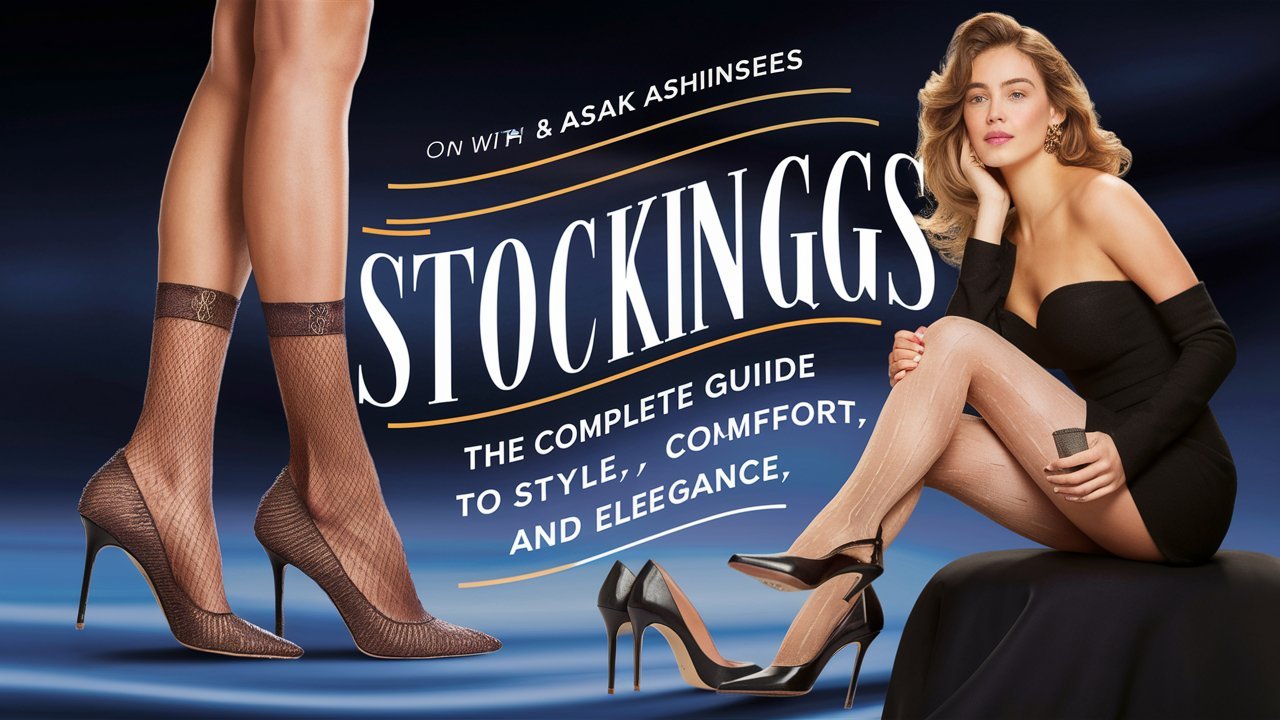
Stockings have long been a symbol of elegance, sophistication, and timeless fashion. From their early origins as a practical garment to their modern-day role as a fashion statement, stockings have evolved into an essential accessory for both everyday wear and special occasions. Whether sheer, opaque, patterned, or fishnet, stockings add a touch of refinement and confidence to any outfit. This comprehensive guide explores the history, types, materials, styling tips, and care instructions for stockings, helping readers understand why this classic garment continues to hold a special place in the world of fashion.
The History and Evolution of Stockings
Stockings have a rich history that dates back several centuries. Originally made from wool, silk, or cotton, stockings were worn by both men and women as a symbol of status and refinement. In the 16th century, silk stockings became a luxury item among European nobility, representing wealth and elegance. The invention of nylon in the 1930s revolutionized the hosiery industry, making stockings more affordable and accessible to the general public. Over time, stockings evolved from a necessity to a fashion statement, with designers introducing new patterns, textures, and colors to suit changing trends. Today, stockings remain a versatile accessory that combines practicality with style.
Types of Stockings and Their Unique Features
There are many types of stockings available, each designed to serve a specific purpose or aesthetic. Sheer stockings are lightweight and elegant, perfect for formal occasions or professional settings. Opaque stockings provide more coverage and warmth, making them ideal for colder seasons. Fishnet stockings add a bold and edgy touch to outfits, often used to create a statement look. Thigh-high stockings are held up by elastic bands or garters, offering a sensual and sophisticated appeal. Compression stockings, on the other hand, are designed for medical or travel purposes, improving circulation and reducing leg fatigue. Understanding these types helps individuals choose the right pair for their needs and style preferences.
Materials Used in Stockings
The material of stockings plays a crucial role in their comfort, durability, and appearance. Traditional stockings were made from silk, which offered a luxurious feel but required delicate care. Modern stockings are typically made from nylon, spandex, or lycra, which provide elasticity, strength, and a smooth finish. Some high-end stockings incorporate blends of natural fibers like cotton or bamboo for added breathability. The denier count, which measures the thickness of the fabric, also affects the look and feel of stockings. Lower denier stockings (10–20) are sheer and delicate, while higher denier options (40–100) are thicker and more opaque. Choosing the right material and denier ensures both comfort and style.
How to Style Stockings for Every Occasion
Stockings can transform an outfit from simple to stunning when styled correctly. For a professional look, pair sheer nude or black stockings with pencil skirts, blazers, and heels. For casual wear, opaque stockings can be worn with dresses, oversized sweaters, or boots for a cozy yet chic appearance. Fishnet stockings can add a daring twist to evening wear, especially when paired with leather skirts or high heels. During colder months, layering stockings under trousers or long coats provides warmth without sacrificing style. The key to styling stockings lies in balancing textures, colors, and patterns to complement the overall outfit.

The Role of Stockings in Modern Fashion
In contemporary fashion, stockings are more than just a functional garment—they are a statement of individuality and confidence. Designers frequently incorporate stockings into runway looks, blending classic elegance with modern creativity. Celebrities and influencers have also revived the popularity of stockings by showcasing them in bold and innovative ways. From minimalist sheer designs to intricate lace patterns, stockings allow wearers to express their personality and enhance their outfits. The resurgence of vintage-inspired fashion has further cemented stockings as a timeless accessory that continues to evolve with each generation.
How to Care for and Maintain Stockings
Proper care is essential to extend the lifespan of stockings. Always hand wash stockings in cold water using a mild detergent to prevent damage to the delicate fibers. Avoid wringing or twisting them; instead, gently press out excess water and lay them flat to dry. Storing stockings in a separate drawer or using fabric pouches prevents snags and tears. For those who wear stockings frequently, investing in high-quality pairs with reinforced toes and heels can reduce wear and tear. Regular maintenance not only preserves the appearance of stockings but also ensures comfort and durability over time.
Why Stockings Remain a Timeless Fashion Essential
Despite changing trends, stockings have maintained their place as a wardrobe staple for decades. Their ability to enhance the silhouette, add sophistication, and provide comfort makes them indispensable for many. Stockings can instantly elevate an outfit, making them suitable for both formal and casual occasions. They also offer practical benefits such as warmth, support, and coverage. The versatility of stockings ensures that they remain relevant in every fashion era, adapting to new materials, designs, and cultural influences while retaining their classic charm.
Conclusion
Stockings are more than just an accessory—they are a symbol of grace, confidence, and timeless beauty. From their historical roots to their modern-day versatility, stockings have proven to be an essential part of fashion that transcends generations. Whether worn for style, comfort, or practicality, the right pair of stockings can enhance any outfit and boost self-assurance. As fashion continues to evolve, stockings will undoubtedly remain a beloved garment that embodies both tradition and innovation.
FAQs
1. What is the difference between stockings and tights?
Stockings typically cover the leg up to the thigh and are often held up by garters or elastic bands, while tights cover the entire leg and waist area, offering more coverage and warmth.
2. How do I choose the right size of stockings?
Refer to the manufacturer’s size chart, which usually considers height and weight. Choosing the correct size ensures comfort, prevents sagging, and reduces the risk of tearing.
3. Can stockings be worn with open-toe shoes?
Yes, many modern stockings come with open-toe designs, allowing them to be worn comfortably with sandals or peep-toe heels.
4. How can I prevent my stockings from tearing?
Handle them gently, avoid sharp jewelry or rough surfaces, and consider using gloves when putting them on. Reinforced toe and heel designs also help prevent runs and tears.
5. Are stockings suitable for all seasons?
Yes, lightweight sheer stockings are ideal for warmer months, while thicker opaque or wool-blend stockings provide warmth during colder seasons.