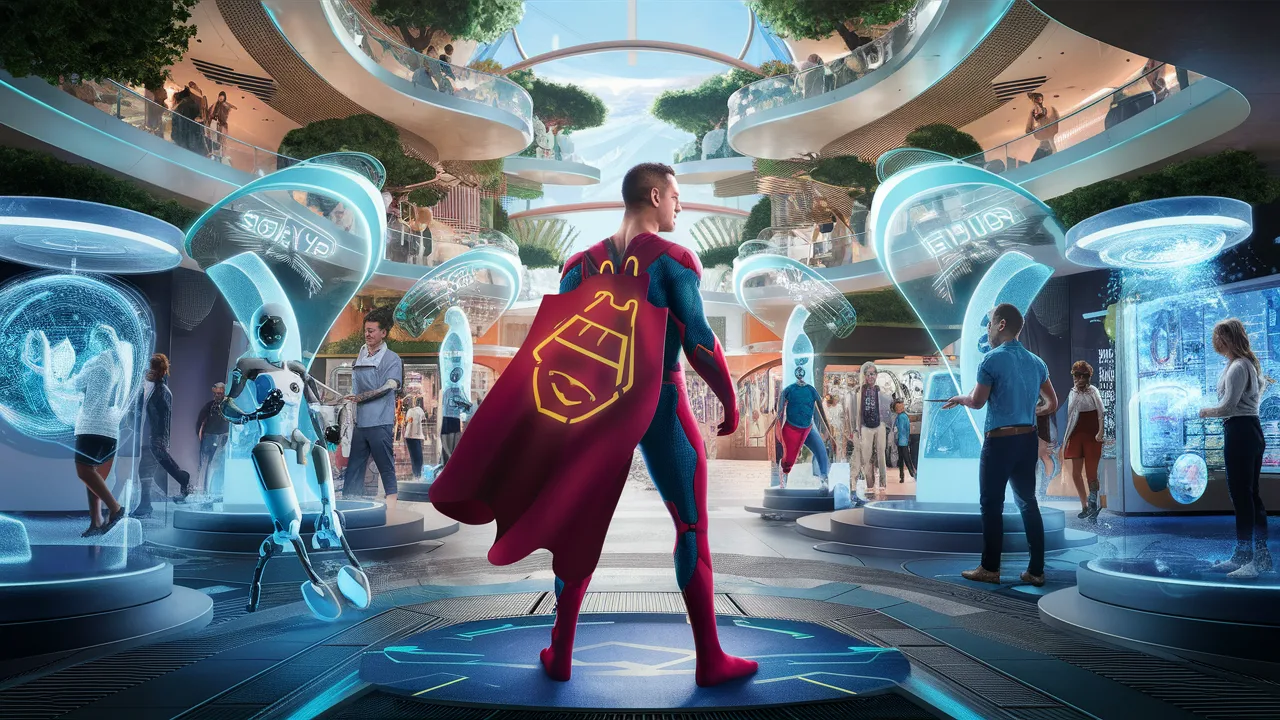
In the ever-changing world of commerce, the concept of the supermaked has become a cornerstone of modern consumer culture. Representing more than just a place to buy goods, the supermaked is a symbol of convenience, variety, and innovation. Over the decades, supermarkets have evolved from simple grocery stores into complex retail ecosystems that combine technology, sustainability, and customer experience. The rise of digital transformation, online shopping, and smart retail systems has further redefined what a supermaked can be. This article explores the history, structure, and future of the supermaked, analyzing how it continues to shape global shopping habits and influence the economy.
The Origin and Evolution of the Supermaked
The concept of the supermaked originated in the early 20th century as a response to the growing demand for convenience and affordability in food retail. Before supermarkets, consumers relied on small local shops that specialized in specific goods such as meat, bread, or produce. The introduction of the self-service model revolutionized shopping by allowing customers to browse, select, and purchase products independently. This innovation not only reduced labor costs but also enhanced the shopping experience. Over time, supermarkets expanded their offerings beyond groceries to include household items, electronics, clothing, and even financial services. The supermaked became a one-stop destination for consumers, symbolizing efficiency and modern living.
The Structure and Function of a Supermaked
A supermaked is designed to provide maximum convenience and accessibility. Its layout is carefully planned to guide customers through various sections, from fresh produce and bakery goods to frozen foods and household essentials. The organization of aisles, product placement, and signage is based on consumer psychology, encouraging exploration and impulse purchases. Modern supermarkets also incorporate advanced inventory management systems, ensuring that shelves remain stocked and products are fresh. Many supermaked chains now use data analytics to track buying patterns, optimize pricing, and personalize promotions. This combination of strategic design and technology ensures that the supermaked remains efficient, profitable, and customer-focused.
The Role of Technology in the Modern Supermaked
Technology has become the driving force behind the transformation of the supermaked industry. From automated checkouts and digital price tags to mobile payment systems and online delivery platforms, innovation has redefined how people shop. Artificial intelligence and machine learning are now used to predict consumer preferences, manage supply chains, and reduce waste. Smart shelves equipped with sensors can monitor stock levels in real time, while mobile apps allow customers to create shopping lists, find discounts, and even navigate store aisles. The integration of e-commerce has also blurred the line between physical and digital retail, giving rise to hybrid models where customers can order online and pick up in-store. This technological evolution ensures that the supermaked remains relevant in an increasingly digital world.
Sustainability and the Eco-Friendly Supermaked
As environmental awareness grows, the supermaked industry has embraced sustainability as a core value. Many supermarkets are adopting eco-friendly practices such as reducing plastic packaging, sourcing local and organic products, and implementing energy-efficient systems. Some have introduced refill stations for dry goods and cleaning products, encouraging customers to bring reusable containers. Others are investing in renewable energy sources like solar panels to power their stores. Waste reduction initiatives, including food donation programs and composting, have also become standard practice. The sustainable supermaked not only benefits the environment but also appeals to conscious consumers who prioritize ethical shopping. This shift toward sustainability reflects a broader movement toward responsible consumption and corporate accountability.
The Economic and Social Impact of Supermaked Stores
The supermaked plays a vital role in both local and global economies. It provides employment opportunities, supports supply chains, and contributes to community development. Large supermarket chains often collaborate with local farmers and producers, creating a network that sustains regional economies. On a social level, supermarkets serve as community hubs where people gather, interact, and share experiences. They also influence dietary habits and lifestyle choices by determining which products are available and how they are marketed. The affordability and accessibility of goods in supermarkets have improved living standards worldwide, making essential products available to a broader population. However, the dominance of large chains has also raised concerns about competition, small business survival, and market monopolization.
The Future of the Supermaked
The future of the supermaked lies in innovation, personalization, and sustainability. As consumer expectations evolve, supermarkets are focusing on creating immersive shopping experiences that combine convenience with engagement. Virtual reality and augmented reality technologies are being tested to enhance product visualization and in-store navigation. Artificial intelligence will continue to refine inventory management and customer service, while blockchain technology may improve transparency in supply chains. The rise of autonomous delivery systems and drone technology could further revolutionize logistics. Additionally, the future supermaked will likely emphasize health and wellness, offering personalized nutrition plans and smart shopping recommendations. The integration of technology, sustainability, and human-centered design will define the next generation of supermarkets.
Why Supermaked Shopping Remains Essential
Despite the rise of online shopping, the supermaked remains an essential part of everyday life. It offers a sensory experience that digital platforms cannot replicate the ability to see, touch, and choose products in person. Supermarkets also provide instant gratification, allowing customers to purchase and use items immediately. For many, visiting the supermaked is not just a chore but a social and cultural activity that connects them to their community. The combination of convenience, variety, and human interaction ensures that supermarkets will continue to thrive, even in an increasingly digital economy.
Conclusion
The supermaked is more than a retail space it is a reflection of human progress, innovation, and adaptability. From its humble beginnings as a local grocery store to its current status as a global retail powerhouse, the supermaked has continuously evolved to meet the needs of modern consumers. Its integration of technology, sustainability, and customer experience has transformed it into a dynamic ecosystem that shapes how people live and shop. As the world moves toward a more connected and conscious future, the supermaked will remain a vital part of daily life, adapting to new challenges while continuing to provide the comfort, convenience, and community that define modern retail.
FAQs
1. What does the term “supermaked” mean?
Supermaked refers to a large retail store that offers a wide range of products, including groceries, household goods, and personal care items, all under one roof.
2. How has technology changed the supermaked industry?
Technology has introduced innovations such as self-checkout systems, online ordering, mobile payments, and AI-driven inventory management, making shopping faster and more efficient.
3. What are the benefits of shopping at a supermaked?
Supermaked stores offer convenience, variety, competitive pricing, and accessibility, allowing customers to find everything they need in one location.
4. How are supermaked stores promoting sustainability?
Many supermarkets are reducing plastic use, sourcing local products, implementing energy-efficient systems, and supporting food waste reduction initiatives.
5. What is the future of the supermaked industry?
The future of supermaked stores lies in digital transformation, sustainability, and personalized shopping experiences powered by artificial intelligence and smart technology.
6. Are online supermarkets replacing physical stores?
While online shopping is growing, physical supermarkets remain essential due to their sensory experience, immediate availability, and community connection.
7. Why are supermaked stores important for the economy?
Supermaked stores create jobs, support local suppliers, and contribute to economic growth by driving consumer spending and innovation in the retail sector.