In the ever-evolving world of industrial machinery and construction, few tools have demonstrated the resilience, strength, and versatility of the laaster. Whether used in heavy lifting, mechanical repair, or precision engineering, the laaster has become an indispensable component of modern infrastructure and equipment. In this comprehensive guide, we will explore every facet of the laaster — from its origins and technical specifications to its uses, benefits, and maintenance.
What Is a Laaster?
A laaster is a specialized mechanical or industrial component designed to bear weight, provide lifting support, and ensure stability during heavy-duty operations. It’s often used in engineering, construction, and automotive industries for hoisting, alignment, and load-bearing applications. Built from high-grade steel, aluminum, or composite alloys, laasters are engineered to handle extreme pressures and forces without deformation or loss of strength.
Modern laasters are equipped with advanced torque systems, adjustable calibration, and automated control mechanisms that make them both efficient and safe to use across a wide variety of industrial settings.
The Evolution and Innovation Behind Laaster Technology
The concept of the laaster dates back to early mechanical engineering when workers relied on manual pulleys and levers to lift or move heavy objects. Over the decades, technological innovation transformed the laaster into a precision-engineered powerhouse capable of performing complex mechanical functions with minimal human intervention.
With the introduction of digital load sensors, hydraulic control systems, and AI-powered calibration, the modern laaster has become more than just a tool—it’s a strategic solution that enhances productivity, reduces risks, and ensures mechanical accuracy.
Today, laasters are found in shipyards, aerospace facilities, automotive plants, and civil engineering projects where precision and power are non-negotiable.
Key Features and Components of a Laaster
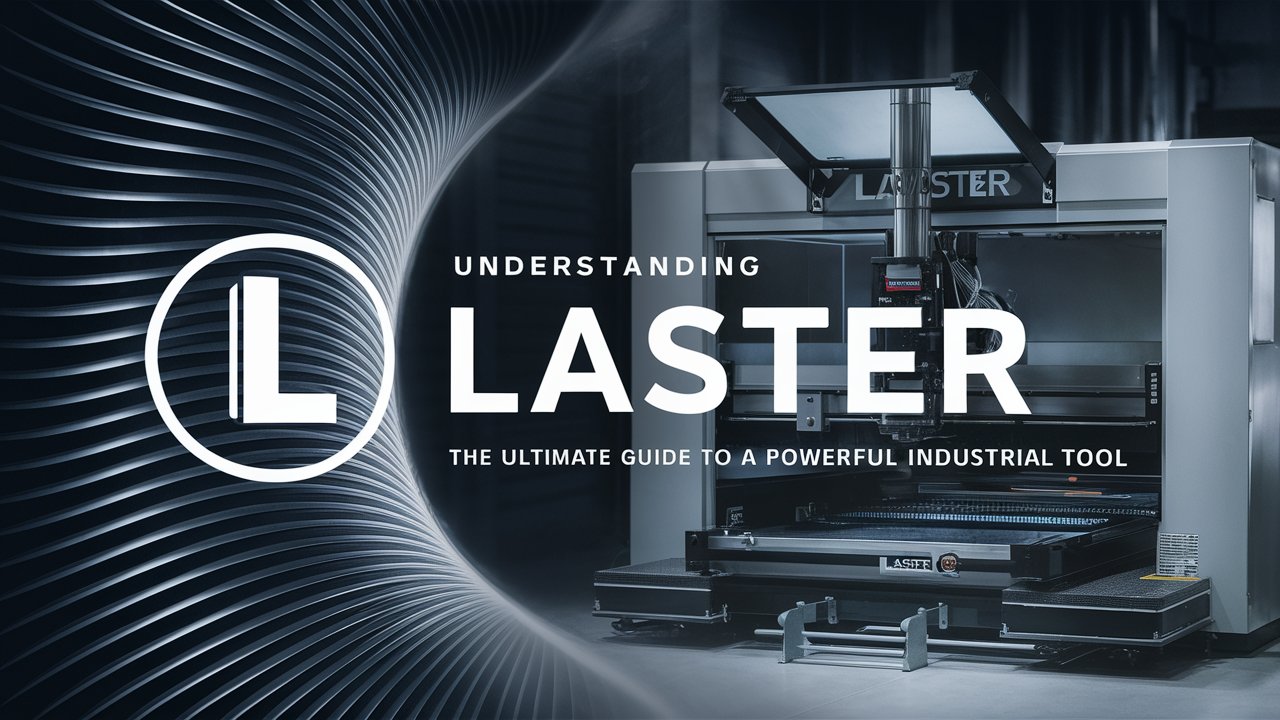
Understanding the technical composition of a laaster is vital for its optimal use and maintenance. Below are the core components that make up a professional-grade laaster:
-
Load-bearing frame: Constructed from reinforced steel or titanium, ensuring maximum durability.
-
Hydraulic or pneumatic system: Provides lifting and pressure control.
-
Digital monitoring interface: Tracks performance metrics and real-time load weight.
-
Safety locking mechanism: Prevents mechanical failure and overextension.
-
Rotational joints and alignment gears: Enhance movement precision and load distribution.
-
Thermal-resistant coating: Protects against heat, corrosion, and environmental degradation.
These components work together seamlessly to create a system capable of delivering unmatched lifting and stabilization performance.
Types of Laasters and Their Applications
Laasters are not one-size-fits-all tools. Depending on the industry and workload, different types are designed to cater to specific operational demands. Below are the main categories of laasters and where they’re most effectively used:
1. Hydraulic Laaster
Used extensively in construction and automotive industries, hydraulic laasters employ fluid pressure to generate immense lifting force. They are ideal for bridge construction, vehicle repair, and heavy machinery alignment.
2. Mechanical Laaster
A traditional yet reliable variant that uses gears, levers, and mechanical torque. Commonly used in assembly lines and maintenance workshops, mechanical laasters are known for their durability and simplicity.
3. Electric Laaster
Driven by electric motors and smart sensors, these models are favored in automated manufacturing facilities. They provide precise control, low maintenance, and energy efficiency.
4. Pneumatic Laaster
Operates using compressed air and is ideal for environments where clean operations are essential, such as in pharmaceutical plants or aerospace production lines.
Top Benefits of Using Laasters in Industry
Using a laaster offers several key advantages that contribute to operational excellence:
-
Enhanced Load Capacity:
Laasters are capable of supporting massive weights safely and effectively, reducing the risk of accidents or equipment failure. -
Improved Efficiency:
Automated systems allow for faster lifting, movement, and installation, saving both time and labor costs. -
Precision and Accuracy:
Digital sensors and calibrated controls ensure accurate weight distribution and positioning, minimizing error margins. -
Durability and Longevity:
With robust construction materials and corrosion-resistant finishes, laasters provide long-term reliability even in extreme environments. -
Safety Assurance:
Modern laasters come equipped with auto-lock mechanisms, overload sensors, and emergency brakes, ensuring worker safety and regulatory compliance.
How to Choose the Right Laaster for Your Needs
When selecting a laaster, it’s essential to assess the following key factors to ensure optimal performance:
-
Load Requirements: Determine the maximum weight your operation demands.
-
Environment: Consider whether it will operate indoors, outdoors, or under extreme temperatures.
-
Power Source: Choose between hydraulic, electric, or pneumatic depending on your facility’s infrastructure.
-
Maintenance Needs: Opt for systems that offer self-diagnostic features or easy part replacements.
-
Budget and ROI: Balance cost-effectiveness with long-term reliability and performance output.
By aligning your choice of laaster with these factors, you can ensure maximum productivity, safety, and return on investment.
Maintenance Tips to Extend the Life of a Laaster
Proper maintenance ensures that your laaster continues to operate at peak performance. Here are essential maintenance practices every operator should follow:
-
Conduct routine inspections to identify signs of wear or corrosion.
-
Use only certified lubricants and fluids for hydraulic and pneumatic systems.
-
Regularly calibrate sensors and gauges to maintain accuracy.
-
Keep electronic control panels dust-free and protected from moisture.
-
Replace worn-out seals, cables, and bolts before they cause operational hazards.
By following a strict maintenance regimen, you not only enhance the efficiency of your laaster but also ensure compliance with industry safety standards.
Future of Laaster Technology
As industries continue to innovate, the future of laaster technology is set to become even more advanced. Integration with AI-driven analytics, remote monitoring, and predictive maintenance systems will revolutionize how laasters operate. Smart laasters will soon have the ability to detect potential failures before they occur, automatically adjust load distribution, and even self-optimize energy consumption.
This evolution signifies a major step toward fully automated industrial ecosystems where efficiency, safety, and sustainability are perfectly balanced.
Conclusion
The laaster stands as a testament to human innovation and engineering excellence. From lifting heavy loads to enabling precise mechanical operations, this remarkable tool continues to shape industries around the globe. Understanding its components, functions, and applications is crucial for businesses seeking to enhance efficiency, safety, and operational success. By investing in quality laasters and maintaining them properly, organizations can ensure long-term productivity and profitability.
Frequently Asked Questions (FAQ)
1. What industries use laasters the most?
Laasters are used widely in construction, automotive, aerospace, and manufacturing industries for lifting, positioning, and load-bearing applications.
2. Are laasters safe to use?
Yes, when operated according to manufacturer guidelines and safety standards, laasters are among the safest industrial tools available.
3. How often should laasters be serviced?
Regular maintenance every three to six months is recommended depending on usage intensity and environmental conditions.
4. Can laasters be customized?
Absolutely. Many manufacturers offer custom-built laasters tailored to specific operational needs and industry requirements.
5. What’s the average lifespan of a laaster?
With proper care, high-quality laasters can last over a decade without major performance degradation.